
.svg)
A photographic journeydedicated to circular fashion and textile recycling, together with Carlo Perazzolo, professional photographer and founder of StoryWorks – Photo Experience. We will enter the facilities of the Prato textile supply chain to observe first-hand how textile waste is sorted, processed and transformed into new raw material.
An experience in reportage and documentary photography focused on one of the most urgent issues of our time: sustainability in fashion. Thanks to access to places that are normally closed to the public, we will photograph people, machinery, materials and production processes, following the different stages of a process that gives value back to what would otherwise become waste.
Reportage photography was born with the purpose of observing, documenting and telling the story of the major social changes of its time. With this experience, ORMA and StoryWorks bring this vocation back to life, once again placing photography at the service of knowledge: entering a production environment, understanding its processes and turning what we observe into a visual story.
WHAT WE WILL WORK ON
Building a reportage and photographic storytelling
We will work on the choice of subjects, variety of shots, sequencing and editing, developing a coherent photographic narrative based on each participant’s own perspective and sensitivity.
Awareness
Entering Prato’s textile supply chain will allow us to discover first-hand the journey that takes a discarded material and turns it into new fibre and yarn. We will observe people at work, their skills and the different steps required to make material recovery possible. We will work on the ability to look beyond what is immediately visible and turn what we discover into a conscious narrative.
Aesthetics, storytelling and the photographer’s responsibility
Photographing a production environment also means choosing how to represent it. We will therefore reflect on the relationship between aesthetics and responsibility in reportage photography, learning how to create compelling images without losing their documentary and narrative purpose.
PURPOSE OF THE TRIP
The goal is to learn how to build a complete and conscious photographic narrative, capable of documenting a production environment while also telling the story of a possible alternative to the traditional fashion model.
Throughout the day, Carlo Perazzolo will accompany participants as they develop their own project, helping them observe, select and photograph the most significant moments and transform them into a coherent visual story.
To get to the journey with the right tools, each participant must have digital photography equipment, regardless of its quality or technical level, as long as it's at least sufficient to ensure the ability to express themselves according to their own sensibilities.
In addition, to conduct the final editing session together, you'll also need to bring a laptop with basic software (Adobe Lightroom/Photoshop) installed, which will allow you to download the photos and be guided through the essential selection process.
This experience is for you if you are interested in:
- Reportage photography
- Sustainable fashion
- Responsible supply chains
- Environmental sustainability
However, if the trip status is marked as "Confirmed" or "Last tickets", there's no need to worry - it means the minimum number of participants has already been met.
DAY 1
First Stop - The Cenciaiolo
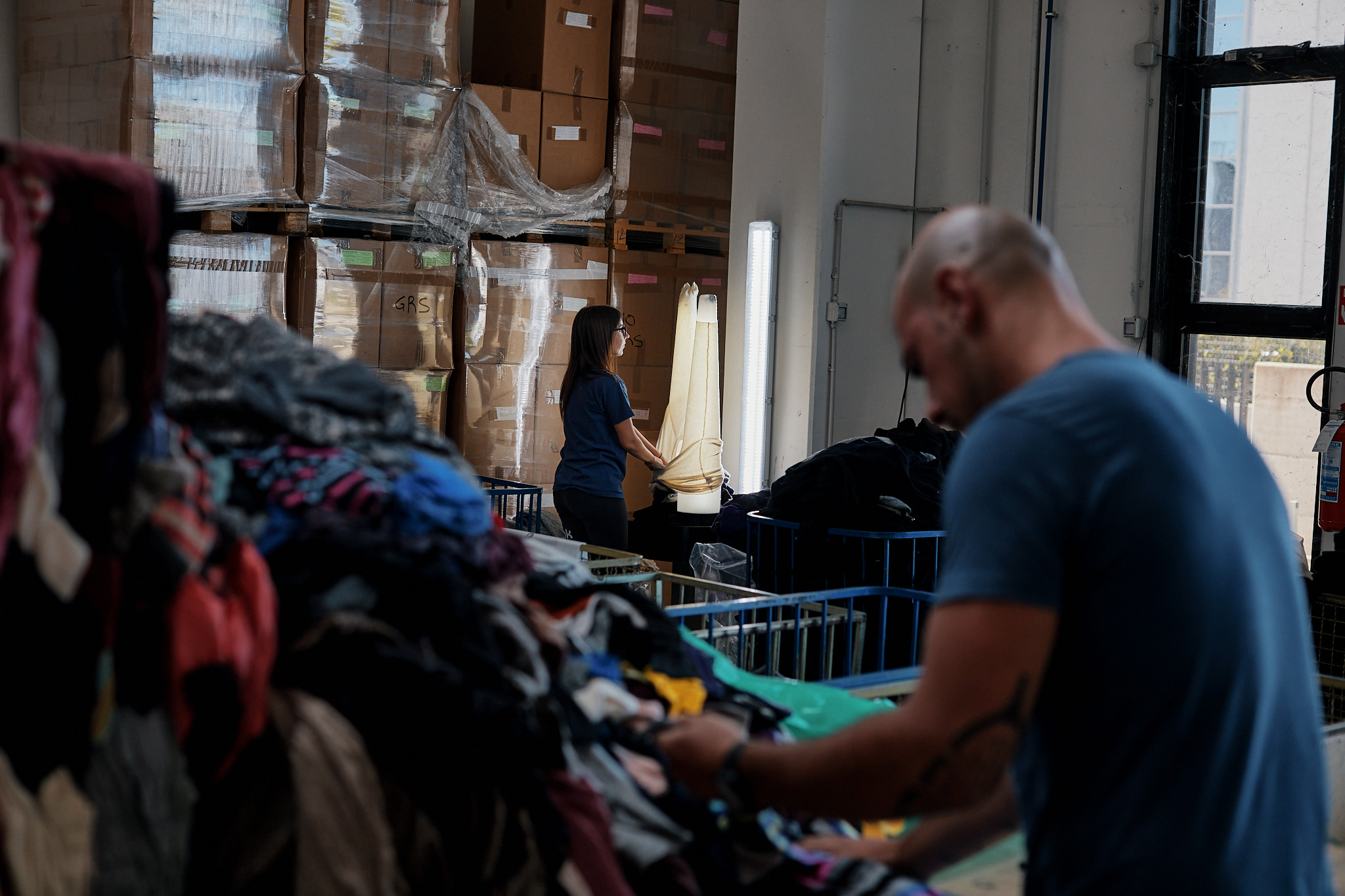
The meeting point is set for 10:00 AM at Cenciaiolo Gori, allowing us plenty of time to visit the facilities and calmly photograph the different stages of the textile recycling supply chain.
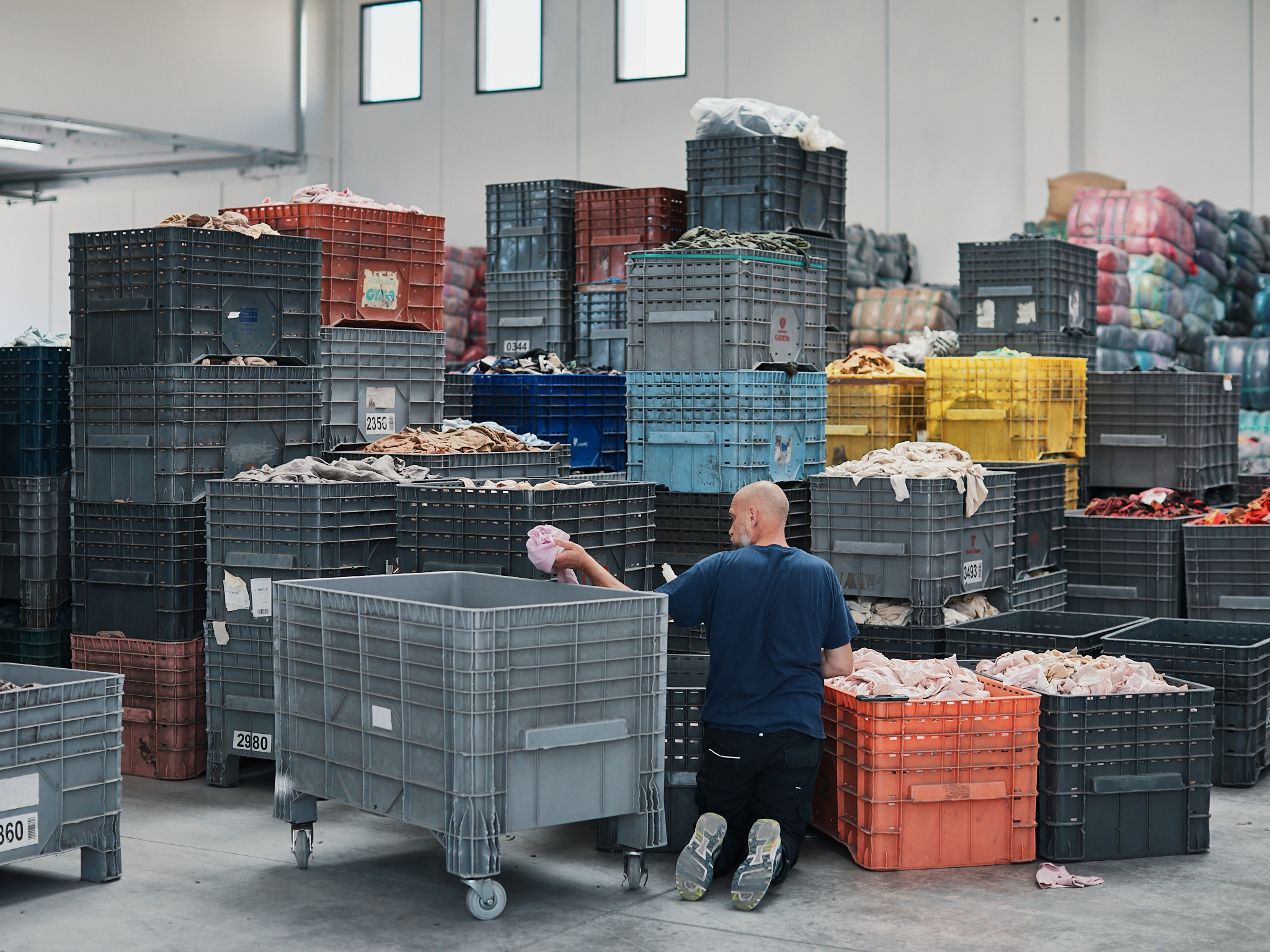
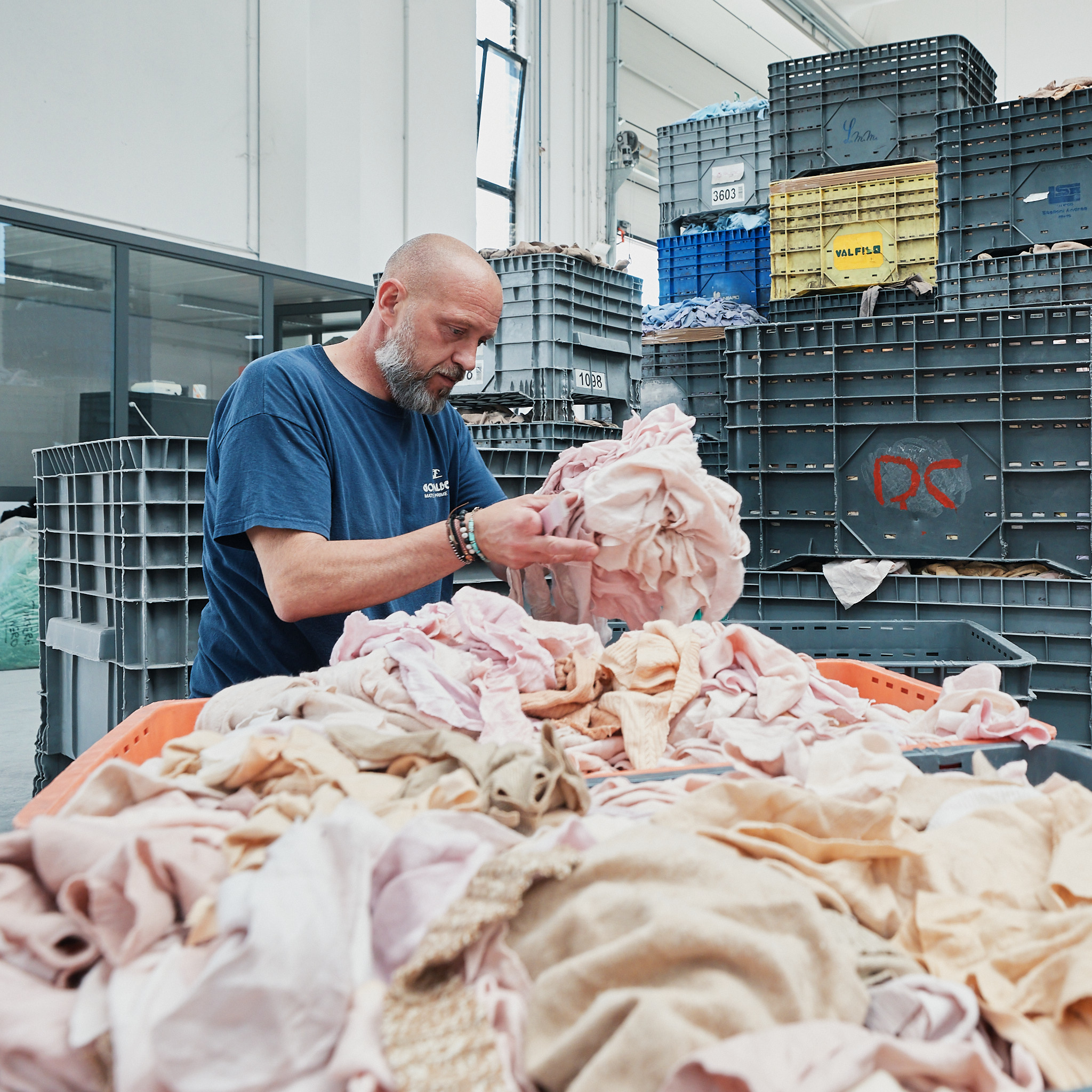
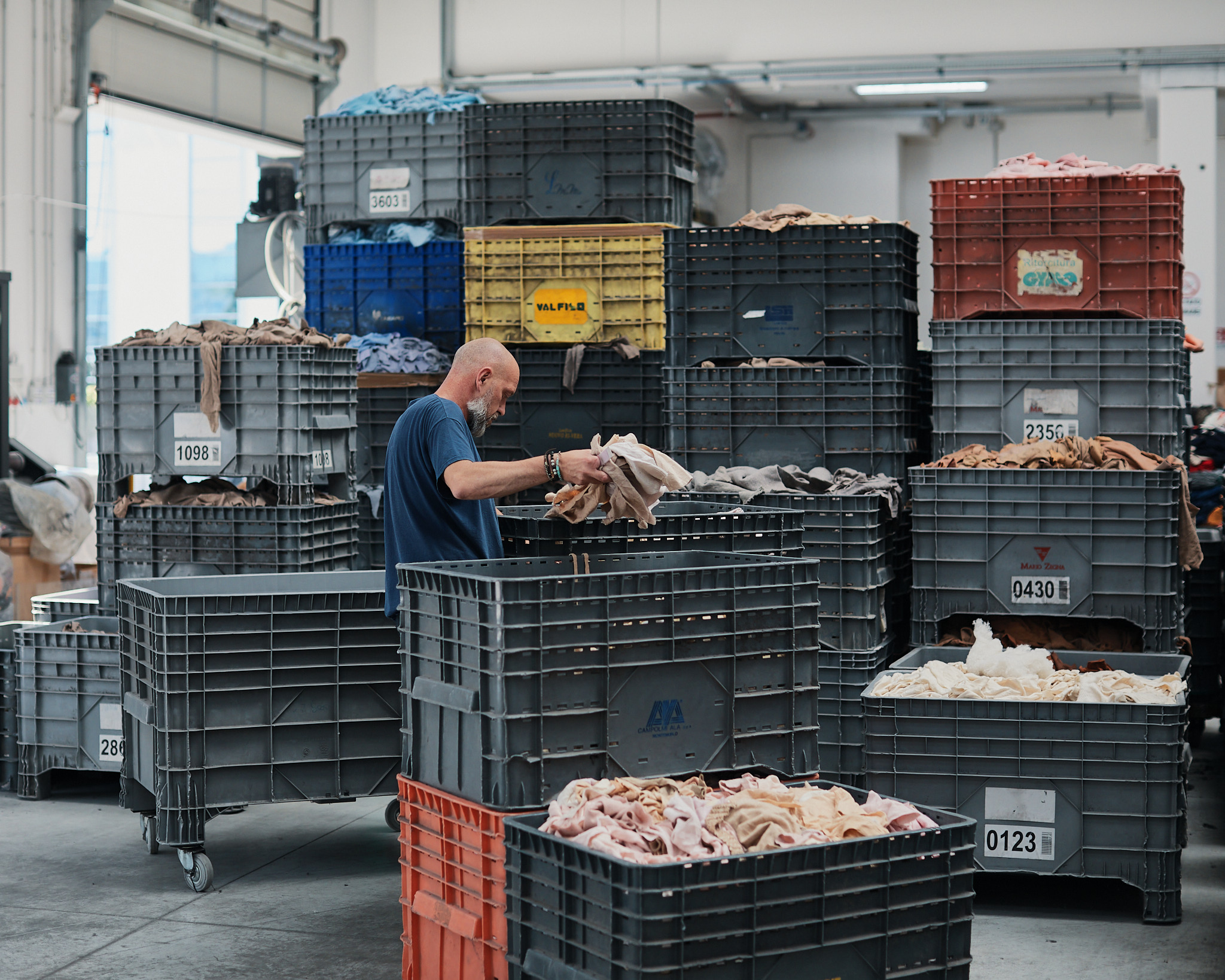
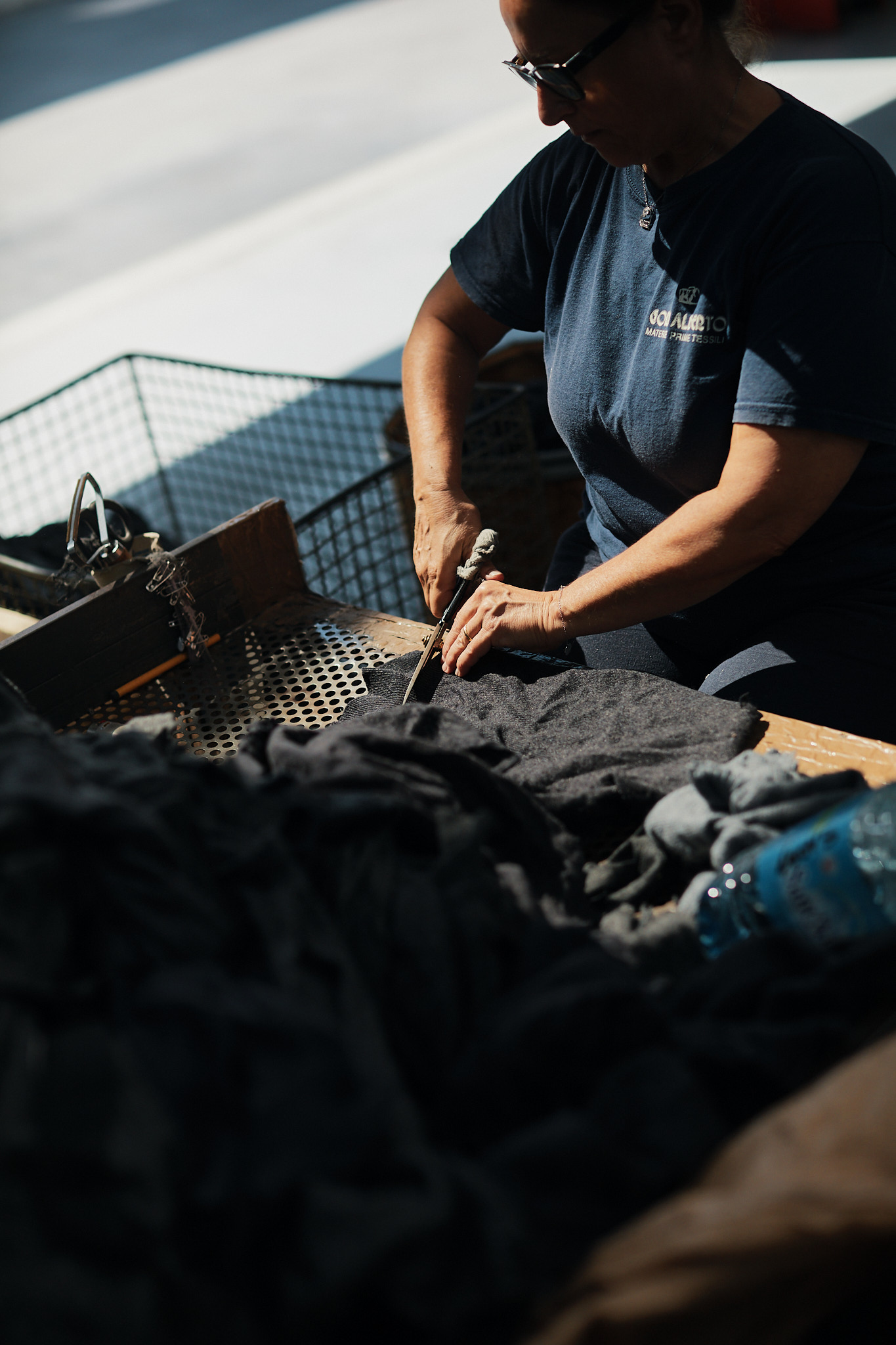
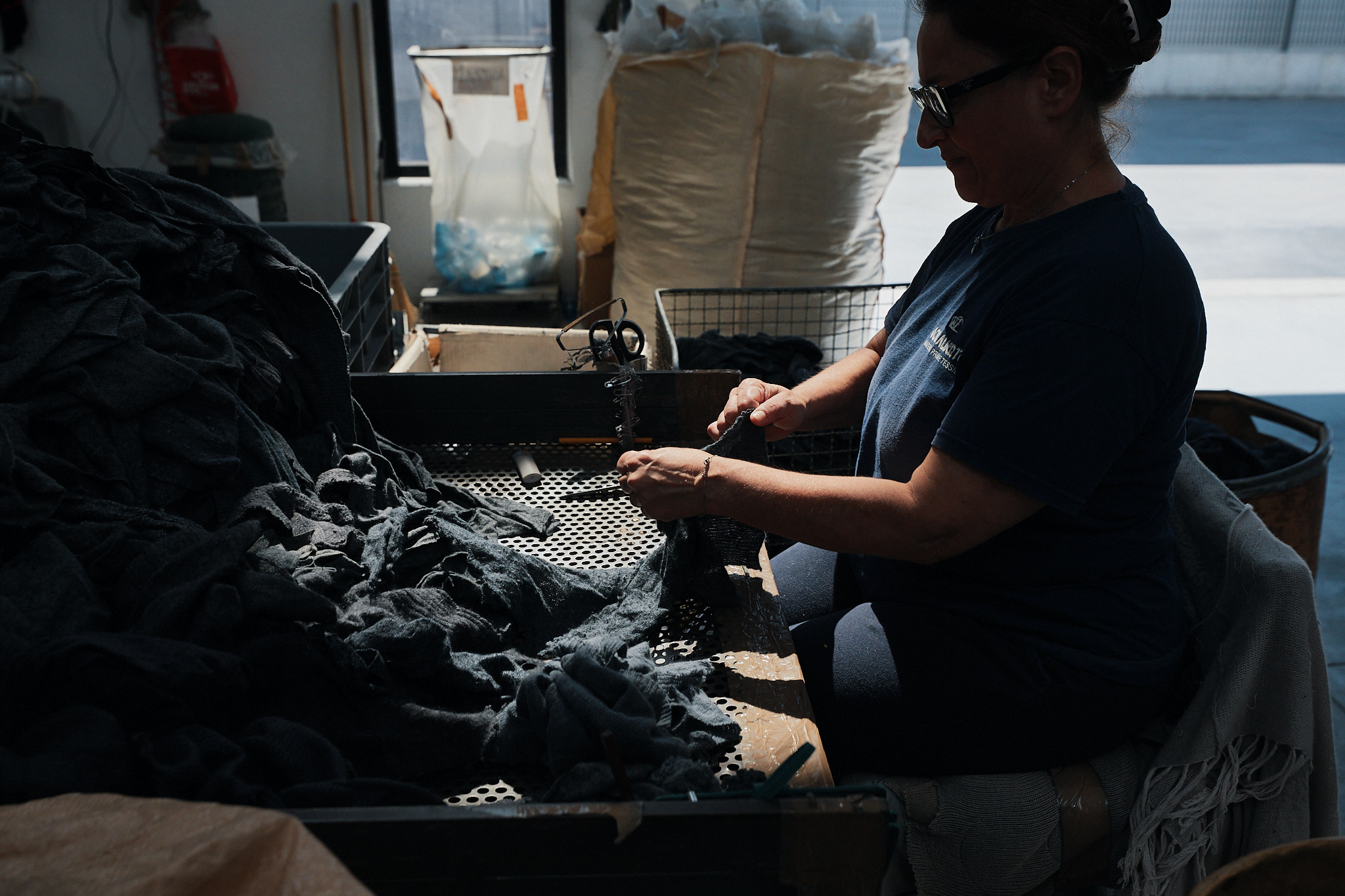
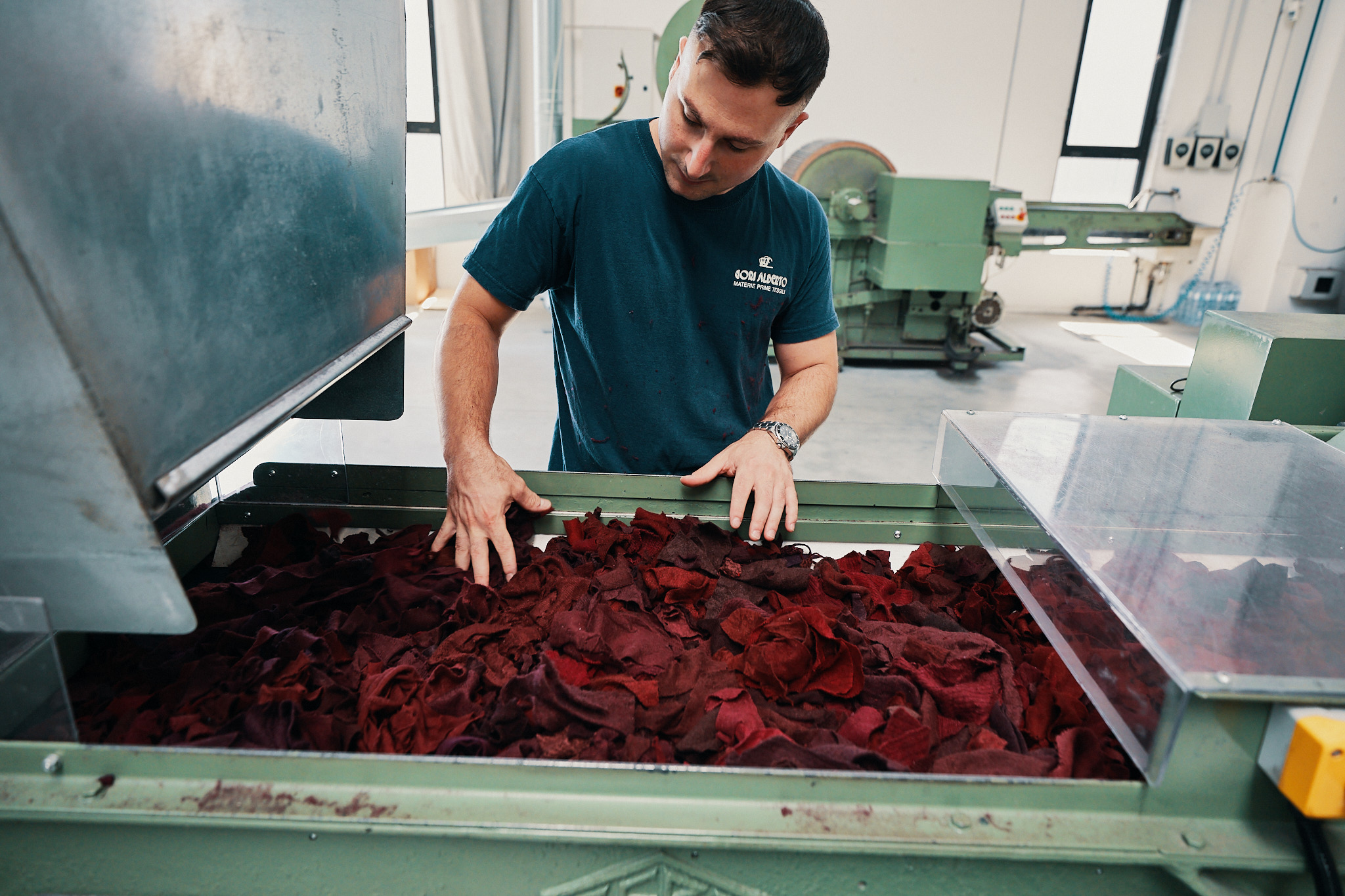
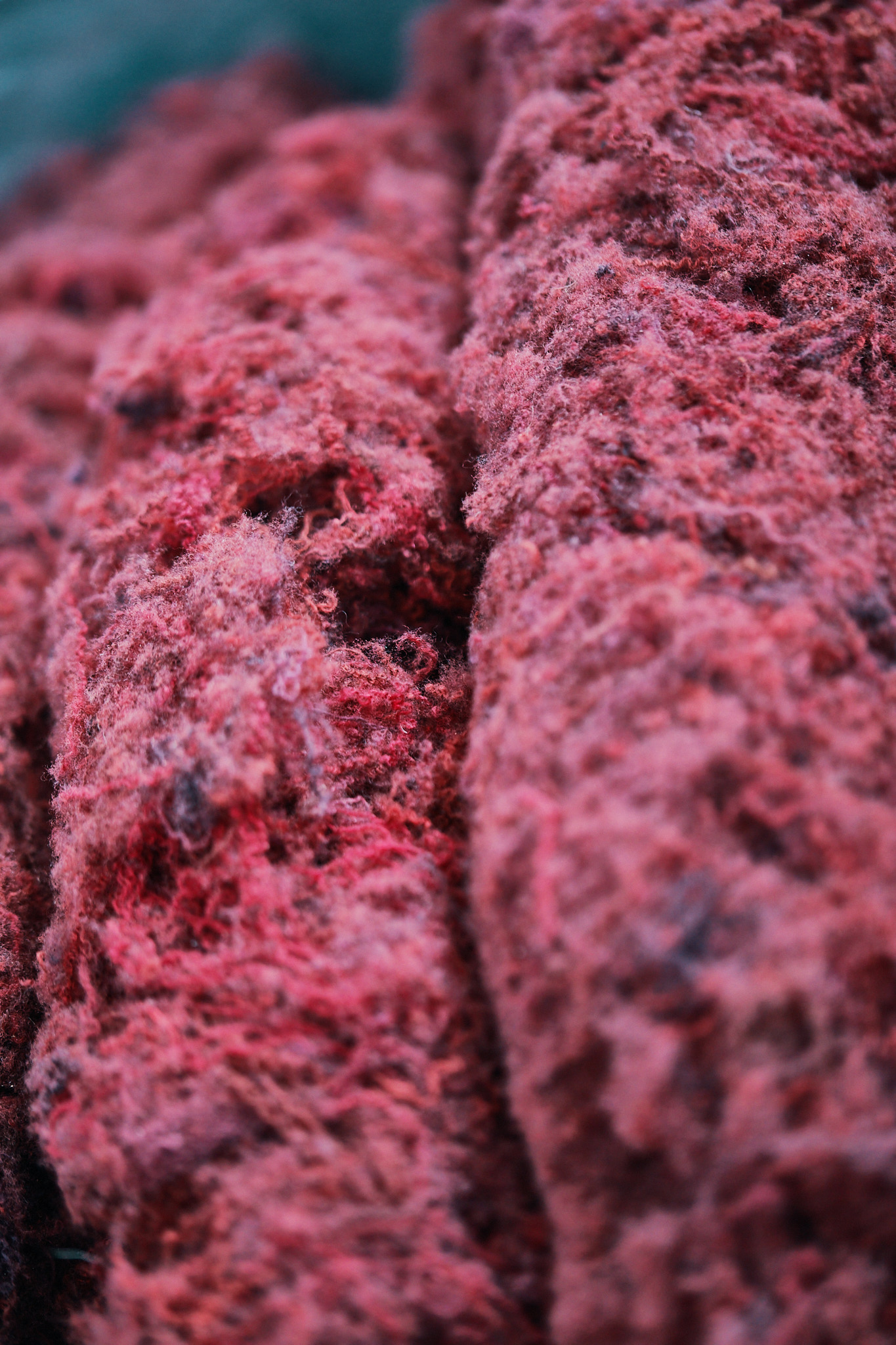
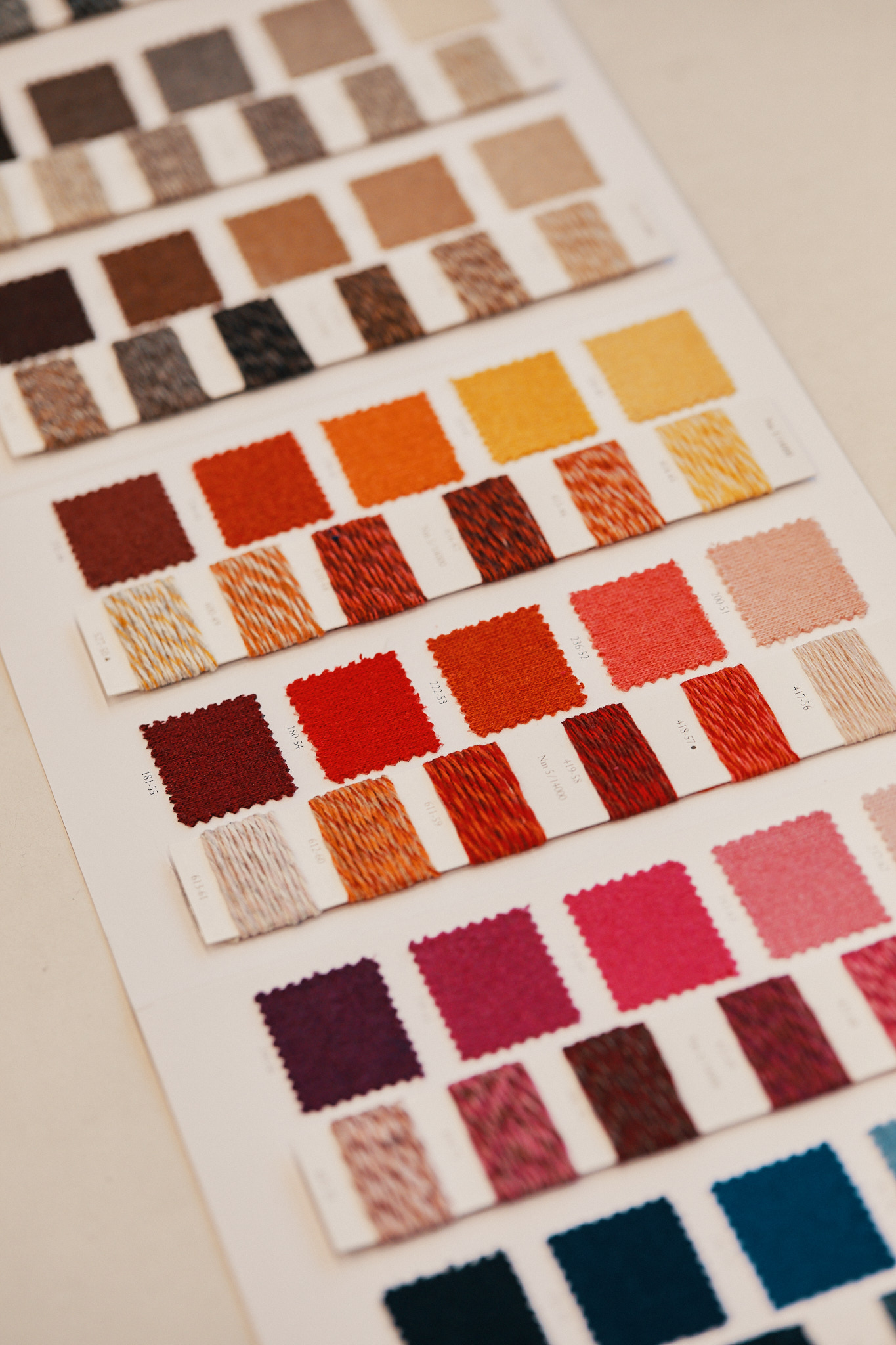
The cenciaiolo is a historic figure in Prato’s textile tradition and is still a key part of the material recovery process today. This is where textiles destined for recycling are brought, then sorted and separated according to type and colourbefore moving on to the next stages of processing.
But how do you identify a fabric? A cenciaiolo develops an understanding of materials that first and foremost relies on the senses: they identify fibres by touch, examine their composition and may use small cuts or even the flame of a lighter to determine their characteristics.
Once classified, the materials are fed into machinery that breaks down the textile fibres, preparing them to be transformed into new raw material.
Second stop - The Spinning Mill
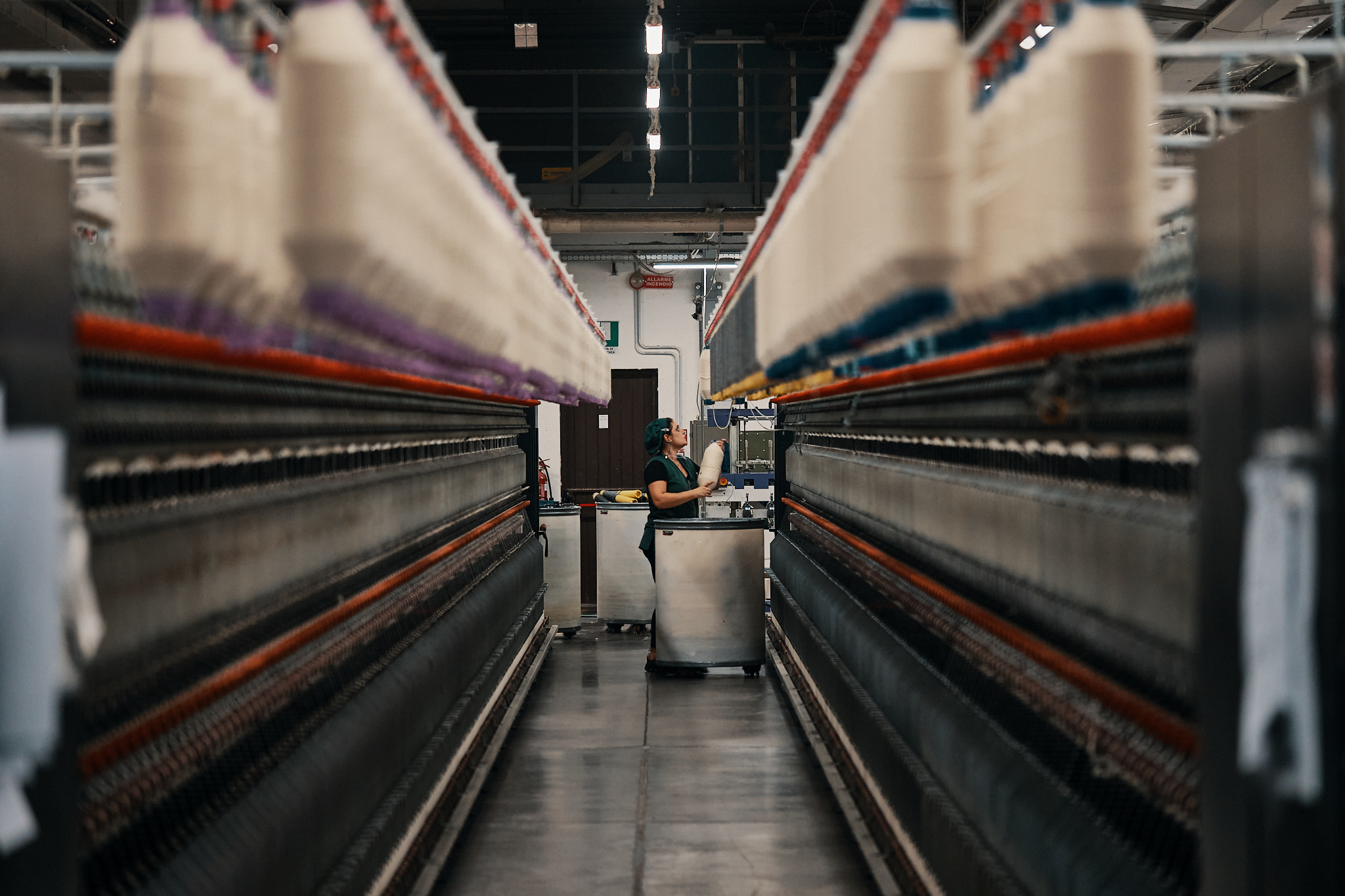
After lunch, we will enter the spinning mill, where we will be able to observe up close one of the key stages of textile recycling and recycled yarn production.
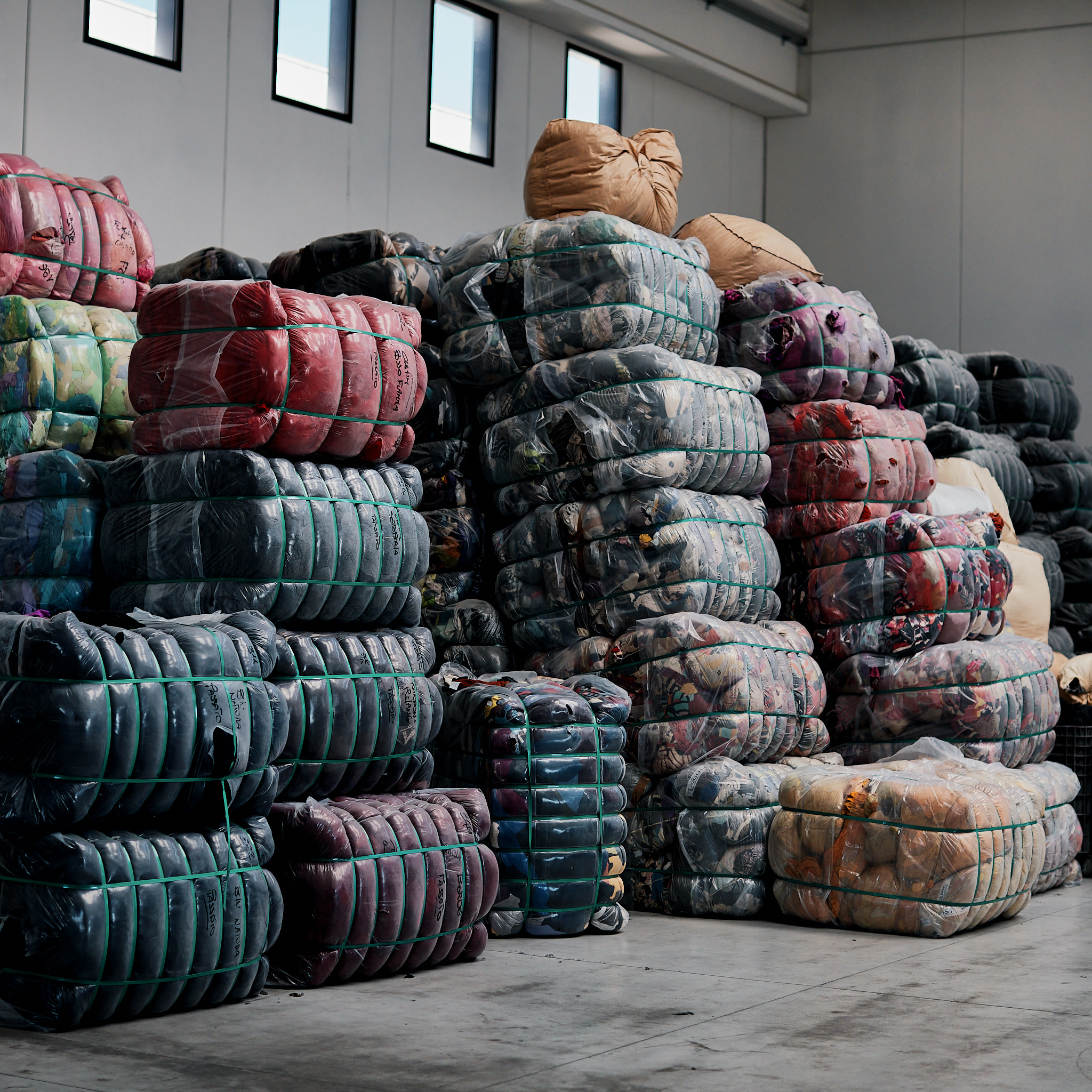
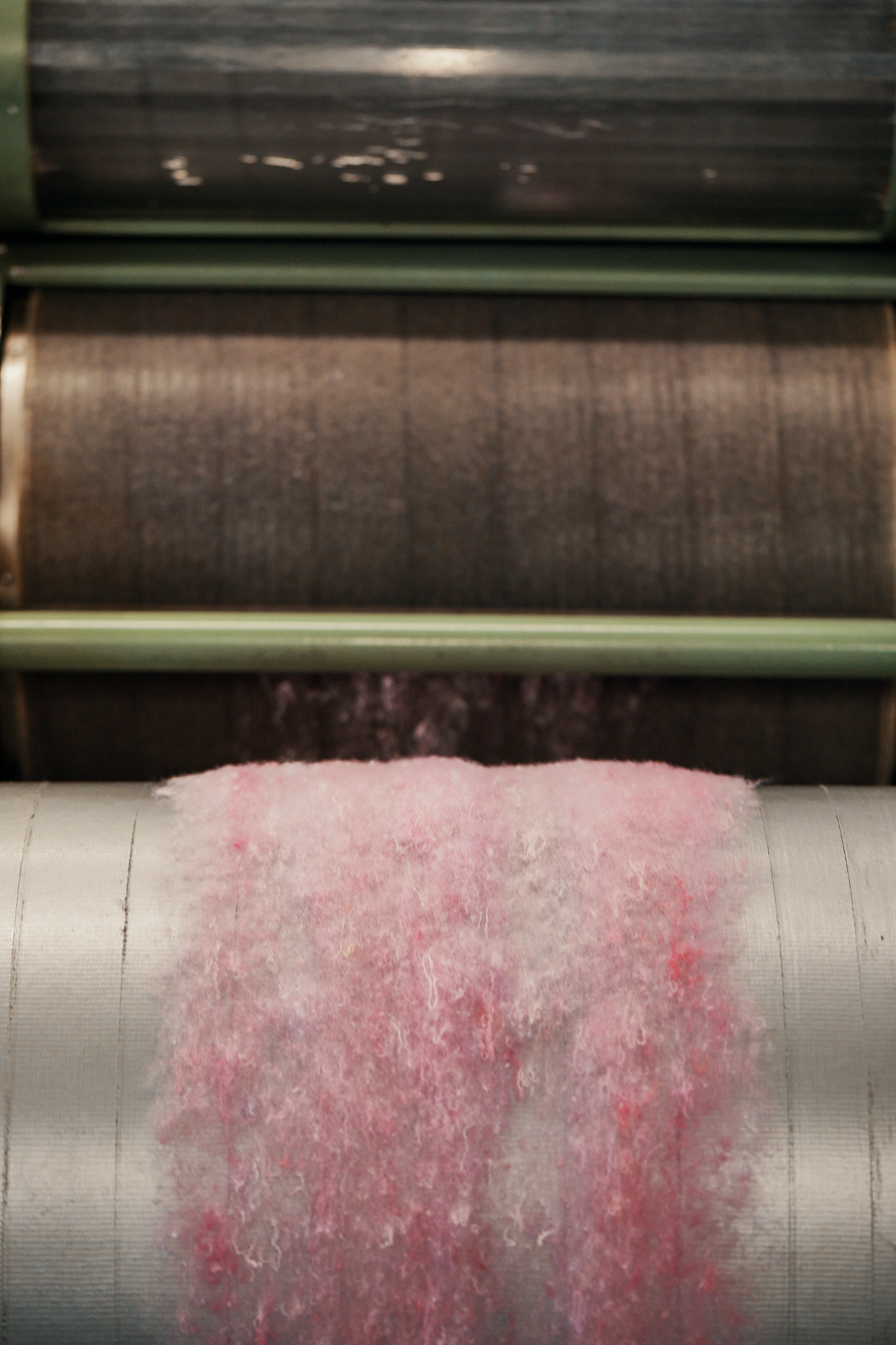
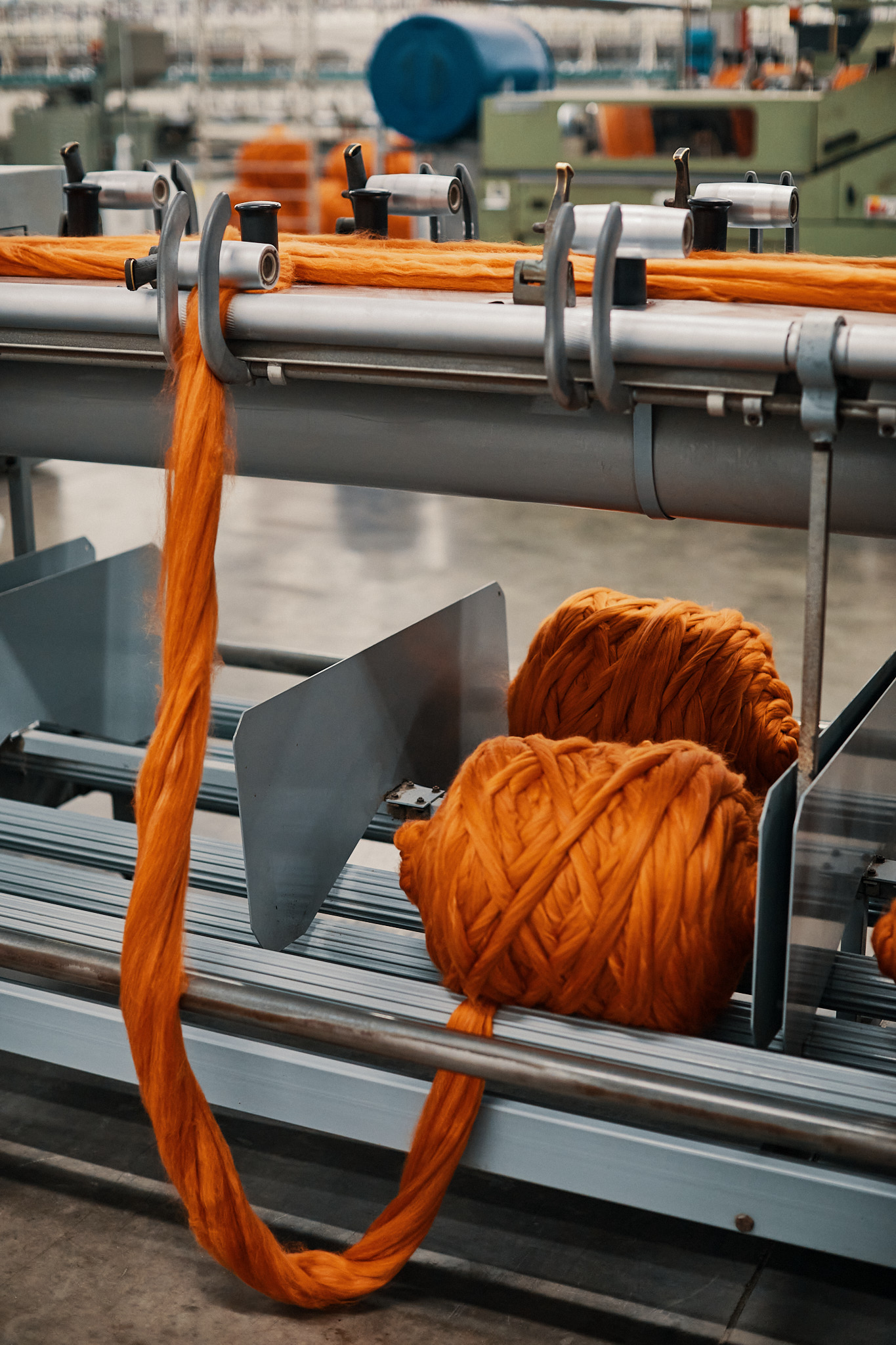
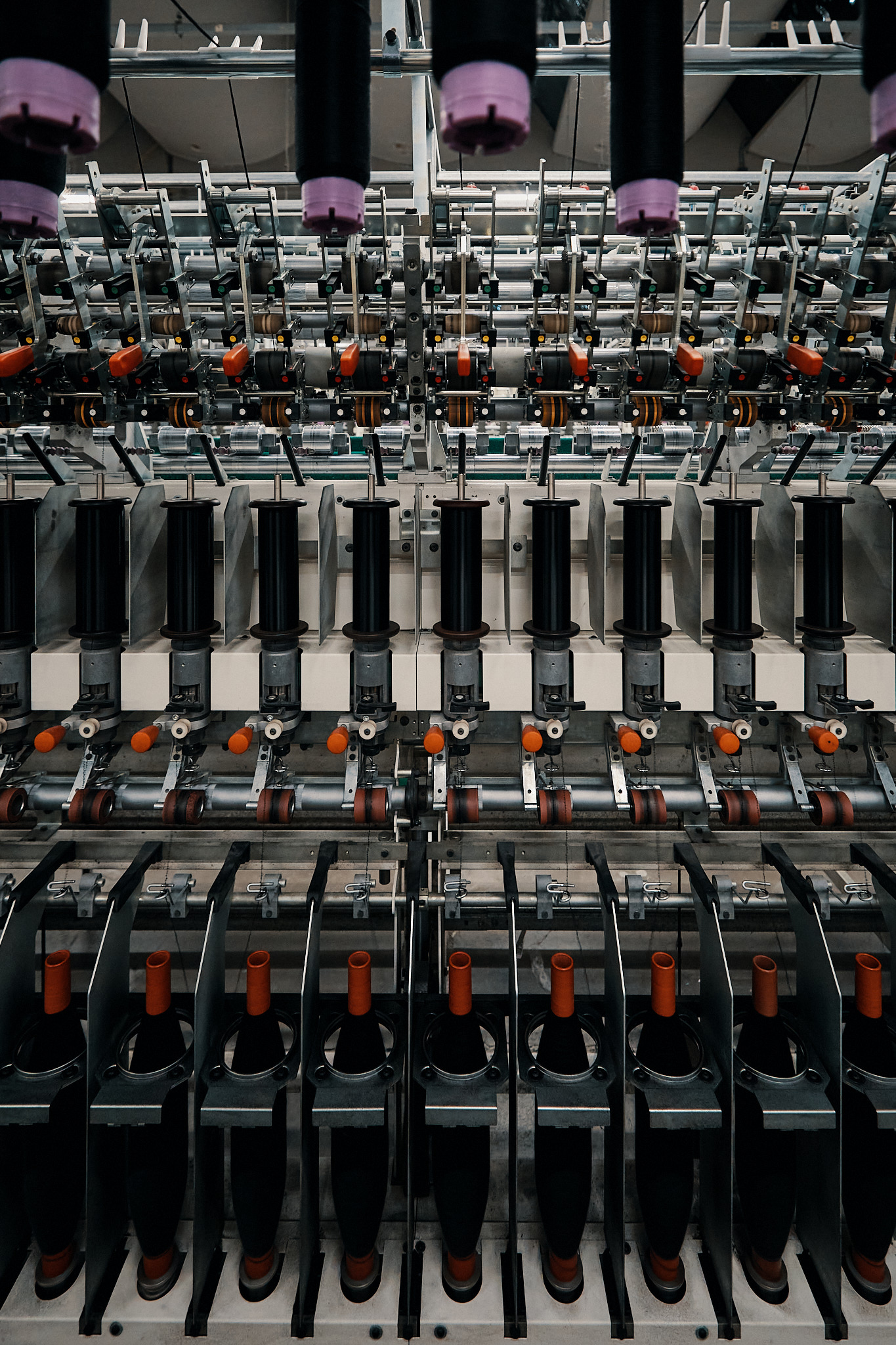
Here, bales of cotton and other recovered materials are transformed into new yarn through carding, a traditional textile process that is now carried out using highly precise, automated machinery.
During the process, the fibres are aligned and prepared to create the new yarn, which is then wound onto cones and transferred to knitting mills. There, the recycled yarn becomes the raw material for producing new fabrics and garments.
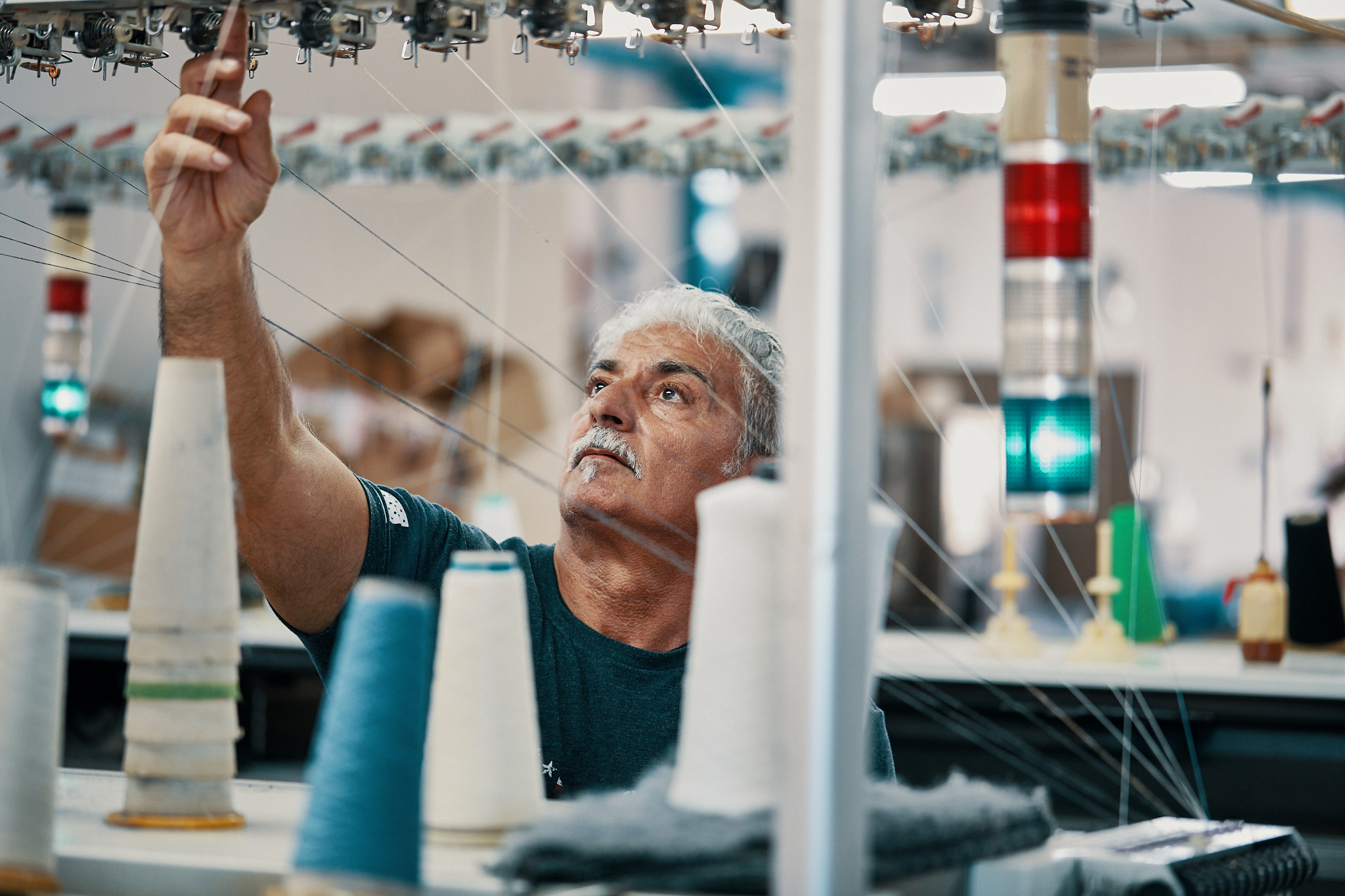
This is also a particularly interesting stage from a photographic perspective: we will be able to capture the relationship between materials, technology, human gestures and machinery, documenting the transformation of textile waste into a new resource.
Third stop - Group Review & Photo Selection for the Reportage
In the late afternoon, we will come together for a group review session. Each participant will select their own imagesand, with the support of Carlo and the group, work on building a sequence with an internal logic, a recognisable point of view and a clear narrative direction.
This is the most formative moment of the journey: we will learn that the most beautiful photograph is not always the one that is most necessary, and that the strength of a reportage often lies in the coherence of the whole, rather than in the perfection of a single shot.
DAY 2
First stop - The knitting Mill
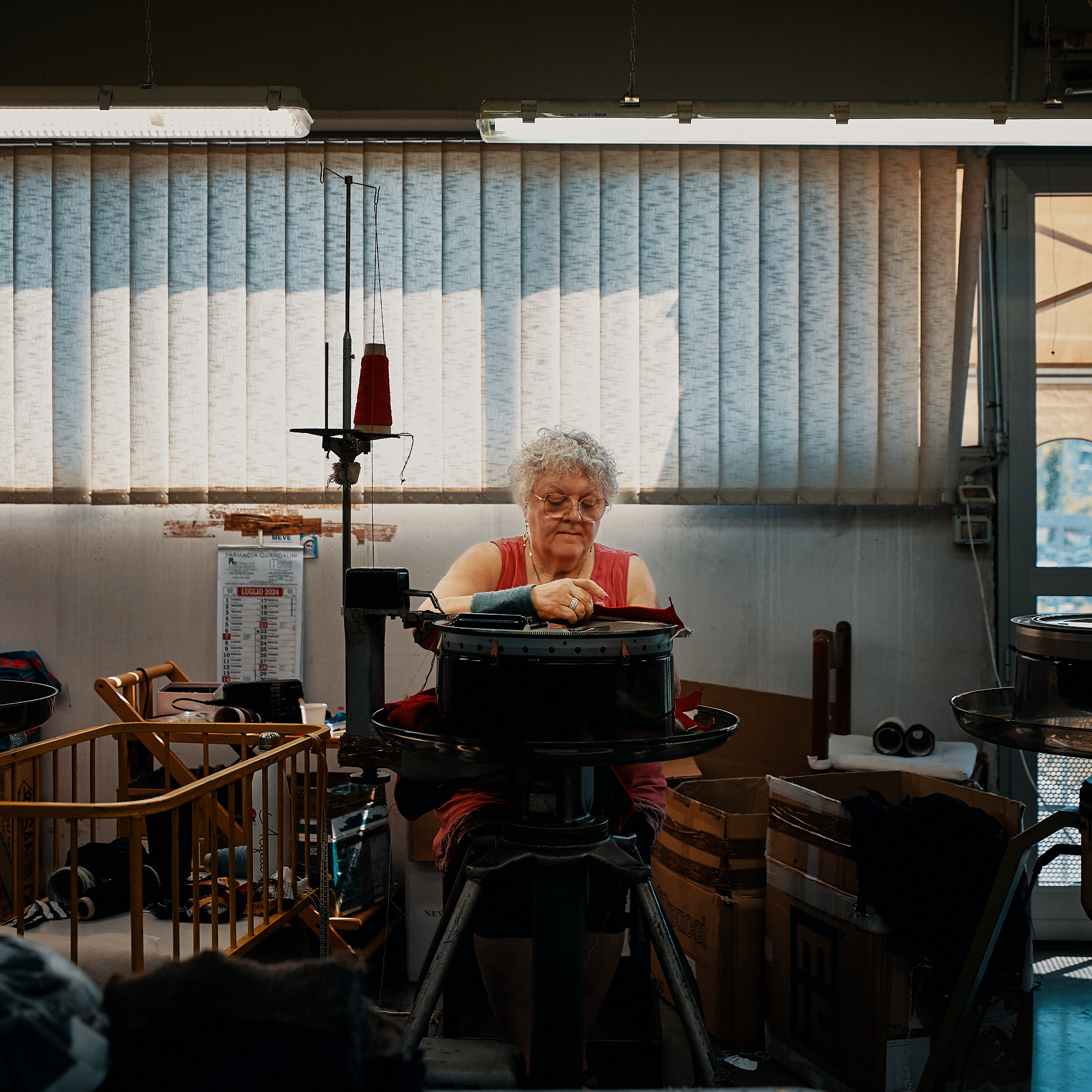
In an environment filled with machinery, yarn cones and garments in progress, we will be able to follow some of the stages that take recycled raw materials all the way to the finished garment, observing the work of the people and the techniques that make knitwear production possible.
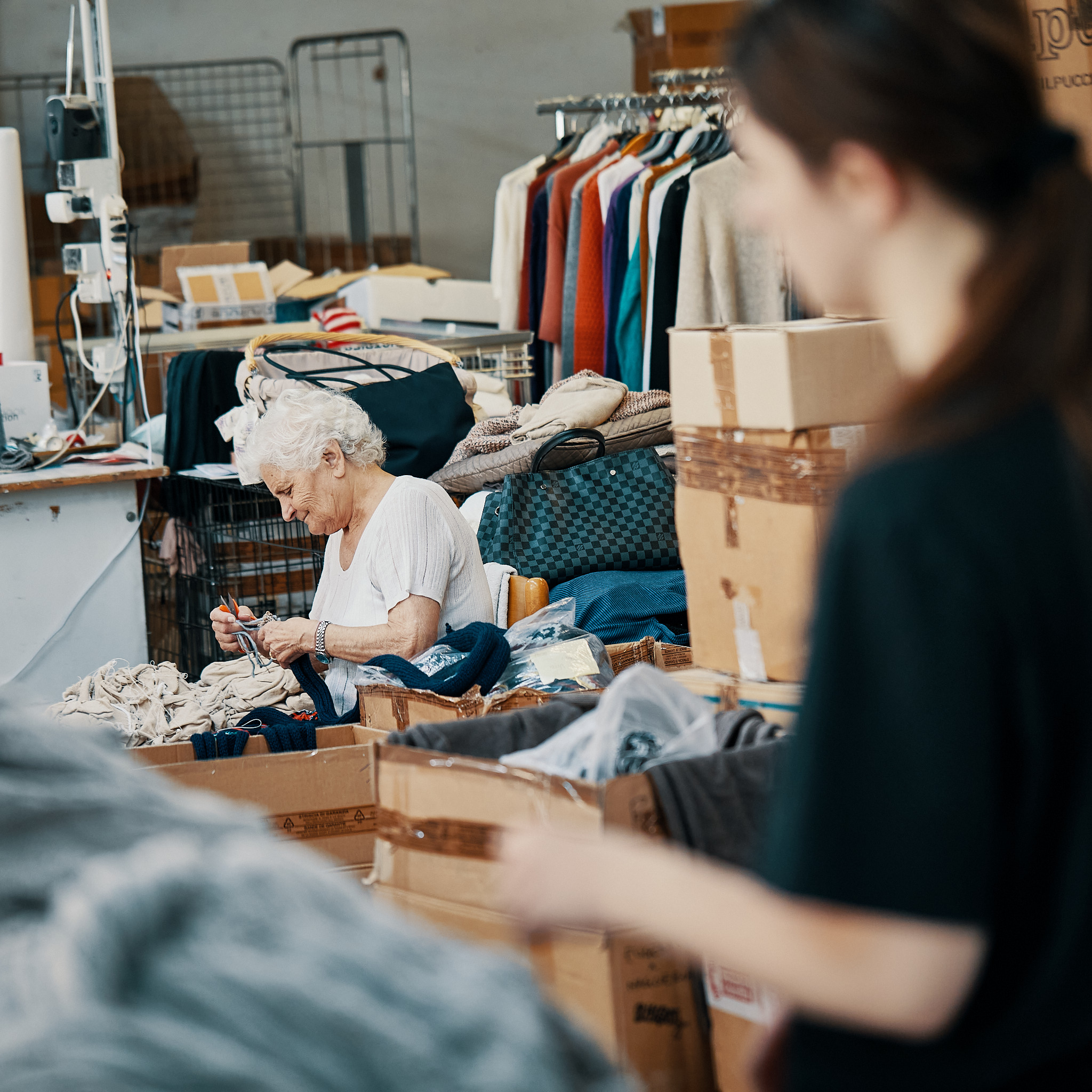
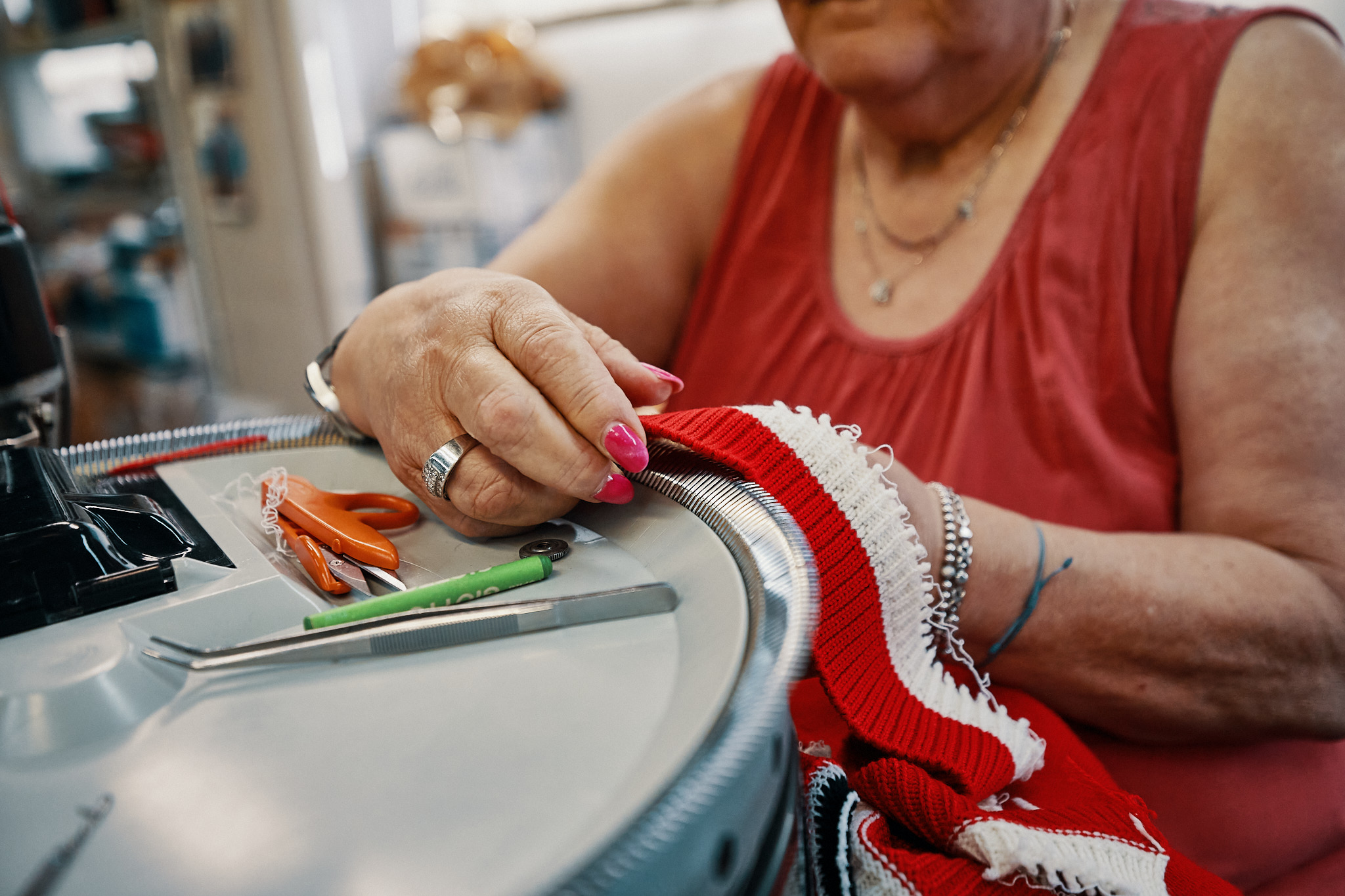
Among the most fascinating processes we will encounter is rimaglio, a traditional craft technique used to assemble the different parts of a garment—such as the body, sleeves and cuffs—by joining them stitch by stitch. Unlike industrial processes, the pieces are connected using the same yarn, resulting in a precise, clean and almost invisible seam.
Rimaglio requires manual skill, precision and experience and cannot be replaced by machinery. The rimagliatrice, the skilled craftsperson who performs this work, therefore represents one of the most valuable artisanal skills in Prato’s textile tradition—a form of knowledge at risk of being lost, which we will have the opportunity to observe and photograph up close.
Second stop - Rifò
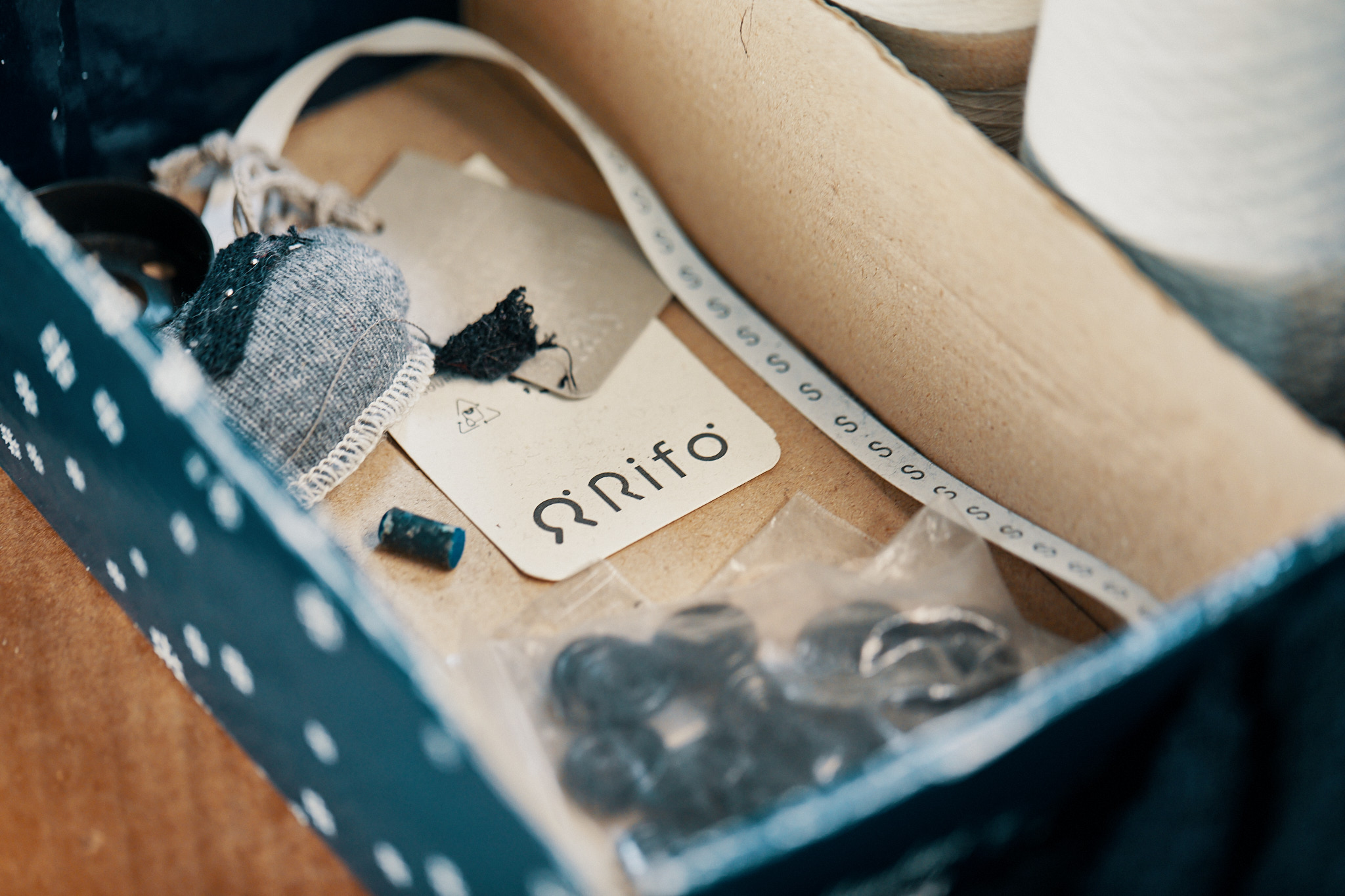
Our final visit will take us into the creative heart of Rifò, where ideas for new garments take shape and materials, fabrics and production solutions are defined. In the research and development department, we will get a close look at the work that takes place before production begins: from garment design to the selection of the most suitable recycled fabrics and fibres.
Rifò obtained its B Corp certification in 2020, recognising the company’s commitment to a business model focused on sustainability and environmental and social responsibility.
We will have the opportunity to photograph technicians, designers and staff at work, completing our reportage on the circular fashion supply chain: from recovered raw materials to the design of a new garment. A way to tell the story of the people and skills that make this process possible, while following Rifò’s journey from its beginnings in 2017.
Third stop - Editing and reportage creation
The photographic experience will not end with the final shot. Before we say goodbye, we will come together to work on image selection, editing and the creation of the final photographic reportage, always guided by Carlo.
Through our work with the photographer, we will learn how to identify the most meaningful shots, build a coherent sequence and give a narrative direction to the material captured throughout the day, turning the experience into our own personal photographic story about circular fashion and textile recycling.
PARTICIPATION REQUIREMENTS
This is a photography trip open to all photography enthusiasts who own a digital camera (DSLR or mirrorless) and have a basic understanding of how to use it.
Participants are required to bring a laptop to download the images taken during the day, as these will be reviewed and discussed with the photographer and instructor/guide during the editing sessions, including photo selection and digital post-production.

A professional photographer since 2001, Carlo Perazzolo learned reportage in its most direct form - local and national news - publishing in major Italian newspapers and magazines, also collaborating with leading photojournalism agencies such as ANSA, LaPresse, and Fotogramma.
Alongside this, he developed studio and commercial photography, opening his own studio in 2006, where he built a personal vision applied to corporate communication.
Over the years, the reportage approach has become the defining thread of his work, even in industrial and commercial sectors: attention to the scene, sensitivity to context, and trust in coincidence as an opportunity for storytelling.
From this same perspective comesStoryWorks, the project through which he now guides photography enthusiasts inreportage experiences built around authentic subjects and lesser-knownstories—where photography returns to being a tool for understanding andpresence.
Booking Info
Ready to go? Just the usual doubts?
How do I know if a trip is confirmed?

What is the average age of participants? Are there age limits?
What are the exact arrival and departure times?
Is vegan/vegetarian food available? What about celiac disease?
When is the trip officially confirmed?
Can I travel with the creator? What transport does the creator use, and from where?
Why is the trip booked through Apical Booking?
Don’t listen to us, listen to them 🤩 😍 😎
We set out with the curiosity of explorers and return as traveling companions united by those who have found common passions and true friendships.
Check our reviews out ⭐⭐⭐⭐⭐
Greece

Sarajevo, Bosnia and Herzegovina
Kenya

Rome, Italy

Bruxelles, Belgium

Abruzzo, Italy

Freiburg, Germany